A well-written dear valued customer letter is one of the most powerful tools in business communication. Whether you are thanking customers, announcing updates, handling complaints, or sharing important news, the way you communicate directly impacts customer trust and loyalty.
In today’s competitive market, customers expect more than generic messages. They want clarity, personalization, and genuine appreciation. That is why using structured, professional templates can help you communicate effectively while maintaining consistency.
This comprehensive guide provides everything you need to know about writing a high-quality dear valued customer letter, along with ready-to-use templates, examples, and expert tips.
What Is a Dear Valued Customer Letter
A dear valued customer letter is a formal or semi-formal business message sent to customers for various purposes such as appreciation, updates, announcements, or issue resolution.
It is commonly used to:
- Thank customers for their loyalty
- Inform about service or policy changes
- Address complaints or issues
- Promote new products or offers
- Maintain ongoing communication
Customer letters are a key communication tool that helps strengthen relationships and deliver important information clearly.
Why Customer Letters Still Matter in 2026
Even in a digital-first world, well-crafted customer letters remain highly effective.
Build Trust and Credibility
A clear and respectful message shows professionalism and reliability.
Strengthen Customer Relationships
Consistent communication builds long-term loyalty.
Improve Customer Experience
Customers appreciate transparency and timely updates.
Reinforce Brand Voice
Your tone and language reflect your company values.
A simple letter can turn a one-time buyer into a long-term customer.
Important Note About “Dear Valued Customer”
While the phrase “dear valued customer” is widely used, it can sometimes feel impersonal if overused.
Experts recommend personalizing messages whenever possible, as generic greetings may make customers feel like “just a number.”
However, the phrase is still acceptable when:
- You are sending bulk communication
- Customer names are unavailable
- The message is general in nature
The key is to ensure the rest of your letter feels genuine and relevant.
Key Elements of a Professional Customer Letter
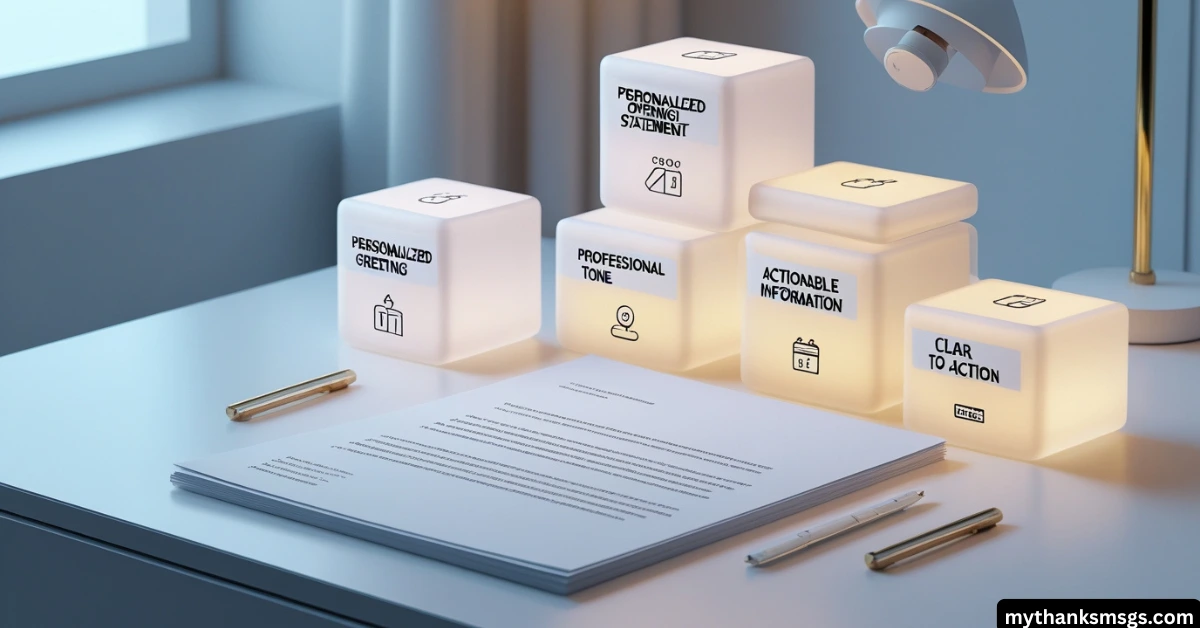
Before using templates, understand the structure.
1. Clear Opening
Start with a polite greeting.
Example:
Dear Valued Customer,
2. Purpose Statement
State why you are writing.
Example:
We are writing to thank you for your continued support.
3. Main Message
Provide details clearly and concisely.
4. Appreciation or Reassurance
Show gratitude or offer solutions.
5. Closing Statement
End on a positive and professional note.
6. Signature
Include name, title, and company.
Dear Valued Customer Letter Templates
Below are professionally written templates for different business situations.
1. Thank You Letter to Customers
Dear Valued Customer,
We would like to sincerely thank you for your continued trust and support. Your loyalty plays a vital role in our success, and we truly appreciate the opportunity to serve you.
At [Company Name], we are committed to providing high-quality products and excellent customer service. Your confidence motivates us to continuously improve and deliver the best possible experience.
Thank you once again for choosing us. We look forward to serving you in the future.
Sincerely,
[Your Name]
[Your Position]
2. Customer Appreciation Letter
Dear Valued Customer,
We are grateful for your continued partnership and support. Your trust in our services inspires us to maintain the highest standards in everything we do.
We value the relationship we have built with you and are committed to meeting your expectations with consistency and care.
Thank you for being an important part of our journey.
Warm regards,
[Your Name]
3. Service Update Letter
Dear Valued Customer,
We are writing to inform you about important updates to our services. As part of our ongoing efforts to improve your experience, we have introduced several changes designed to enhance efficiency and reliability.
These updates reflect our commitment to providing you with the highest level of service. We appreciate your understanding and continued support.
If you have any questions, please do not hesitate to contact us.
Best regards,
[Your Name]
4. Apology Letter to Customers
Dear Valued Customer,
We sincerely apologize for the inconvenience you experienced recently. At [Company Name], we take full responsibility for the issue and are actively working to resolve it.
We understand how important your experience is, and we regret any frustration this may have caused. Steps have already been taken to prevent similar issues in the future.
Thank you for your patience and understanding.
Sincerely,
[Your Name]
5. New Product Announcement Letter

Dear Valued Customer,
We are excited to introduce our latest product, designed to meet your needs with enhanced features and improved performance.
This new offering reflects our commitment to innovation and customer satisfaction. We believe it will add significant value to your experience with us.
Thank you for your continued support, and we look forward to hearing your feedback.
Warm regards,
[Your Name]
6. Price Increase Notification Letter
Dear Valued Customer,
We would like to inform you of an upcoming adjustment to our pricing, effective from [date]. This decision has been made after careful consideration of operational costs and market conditions.
We remain committed to delivering quality and value. We appreciate your understanding and continued trust in our services.
Thank you for your support.
Sincerely,
[Your Name]
7. Holiday Greeting Letter
Dear Valued Customer,
As the holiday season approaches, we would like to extend our warmest wishes to you and your family.
Thank you for your continued support throughout the year. It has been a pleasure serving you, and we look forward to continuing our relationship in the coming year.
Best wishes,
[Your Name]
8. Feedback Request Letter
Dear Valued Customer,
Your feedback is important to us. We would appreciate it if you could share your experience with our products and services.
Your insights help us improve and better serve you. Thank you for taking the time to provide your valuable input.
Sincerely,
[Your Name]
9. Account or Policy Change Letter
Dear Valued Customer,
We would like to inform you of recent changes to our policies that may affect your account. These updates are part of our efforts to improve transparency and service quality.
We encourage you to review the details and contact us if you have any questions.
Thank you for your continued trust.
Best regards,
[Your Name]
10. Welcome New Customer Letter
Dear Valued Customer,
Welcome to [Company Name]. We are delighted to have you as part of our community.
Our team is committed to providing you with excellent service and support. We look forward to building a strong and lasting relationship with you.
Thank you for choosing us.
Warm regards,
[Your Name]
How to Customize Your Letter Templates
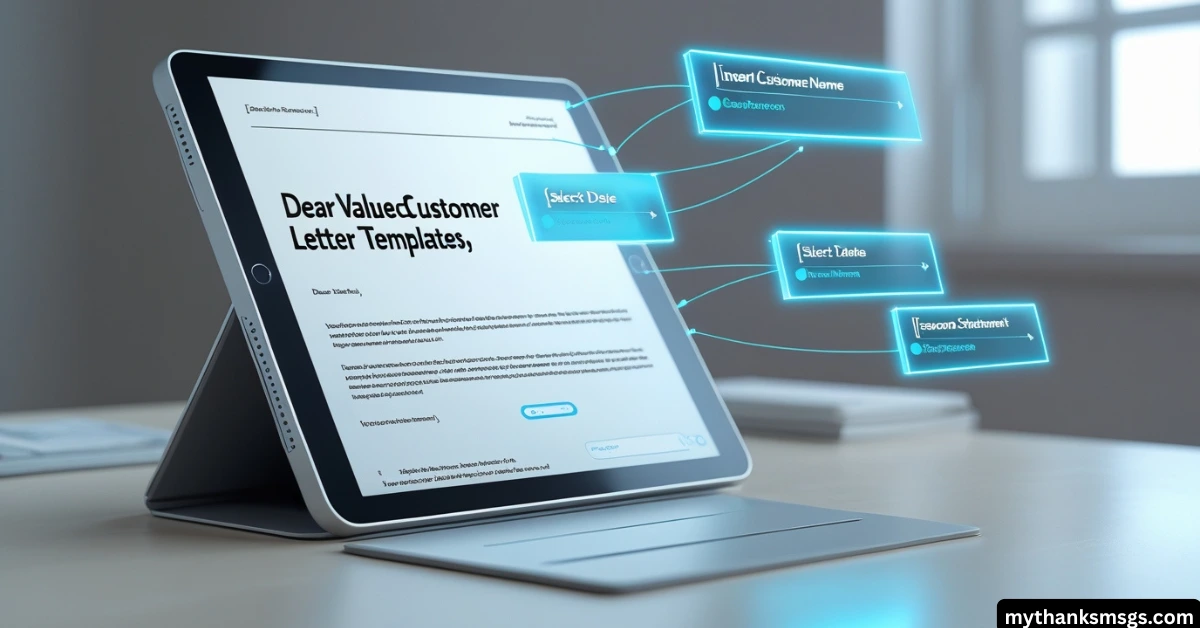
Templates are helpful, but personalization makes them effective.
Use Customer Names
Whenever possible, replace “Dear Valued Customer” with the recipient’s name.
Add Specific Details
Mention products, services, or interactions.
Reflect Brand Voice
Keep tone consistent with your company style.
Keep It Clear and Simple
Avoid jargon and complicated language. Clear communication improves engagement.
Best Practices for Writing Effective Customer Letters
Be Clear and Direct
State your purpose early in the letter.
Use a Positive Tone
An upbeat tone creates a better experience for customers.
Keep It Concise
Avoid unnecessary details.
Structure Your Content
Use short paragraphs and headings for readability.
Send at the Right Time
Timely communication improves effectiveness.
Common Mistakes to Avoid
Using Generic Language
Avoid overly broad phrases without personalization.
Writing Long Paragraphs
Dense text can reduce readability.
Ignoring Customer Perspective
Focus on what matters to the customer.
Lack of Clarity
Make your message easy to understand.
Misspelling Names
Accuracy is essential in professional communication.
Email vs Printed Customer Letters
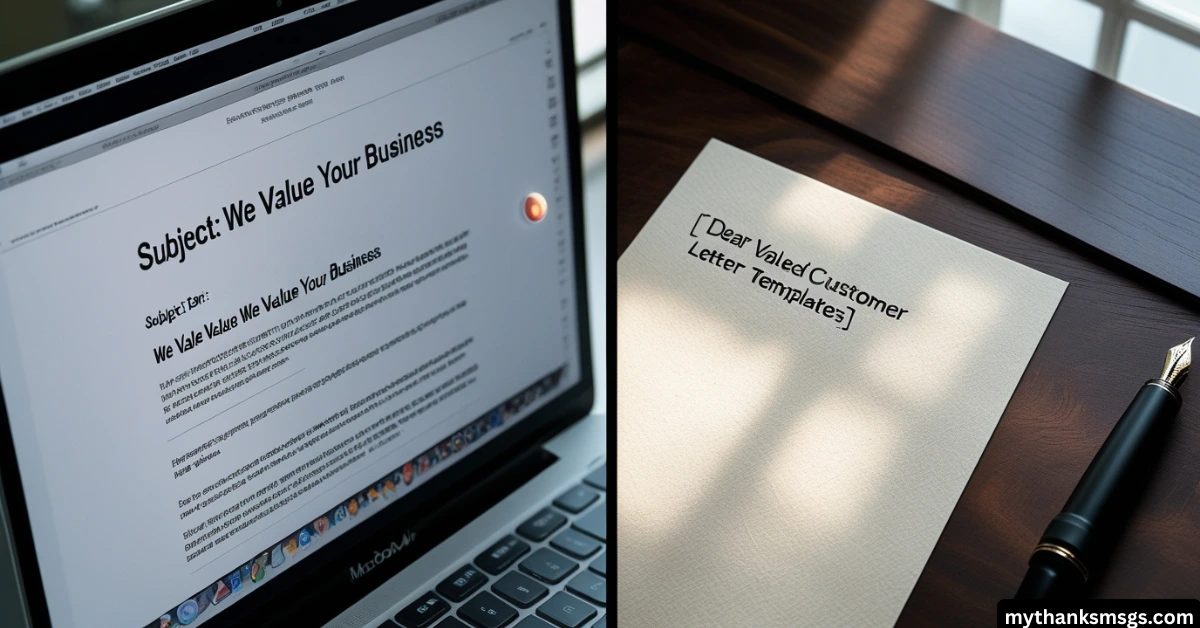
Best for:
- Quick communication
- Updates and notifications
- Digital campaigns
Printed Letters
Best for:
- Formal announcements
- High-value customers
- Official communication
Choose based on your audience and purpose.
Tips for Customer Letter Content
If you are publishing content about dear valued customer letter templates:
- Use variations like customer appreciation letter, business customer letter, client communication templates
- Include real examples and templates
- Focus on user intent and clarity
- Keep paragraphs short and readable
- Use headings and structured formatting
This helps improve search visibility and user engagement.
Final Thoughts:
A well-crafted dear valued customer letter is more than just a message. It is a reflection of your brand, your professionalism, and your commitment to customer relationships.
By using structured templates, clear language, and genuine appreciation, you can create communication that builds trust and loyalty. Whether you are thanking customers, sharing updates, or resolving issues, every letter is an opportunity to strengthen your connection.
Take the time to personalize your message, focus on clarity, and maintain a professional tone. When done right, a simple customer letter can leave a lasting impression and contribute to long-term business success.
FAQs:
What is a dear valued customer letter template?
It is a ready-made format used to write professional messages to customers for appreciation, updates, or business communication.
When should I use a dear valued customer letter?
Use it for thanking customers, announcing changes, sharing updates, or addressing concerns in a professional way.
Can I personalize a dear valued customer letter template?
Yes, you should customize it with customer names, specific details, and relevant information to make it more effective.
How long should a customer letter be?
A dear valued customer letter should typically be 100 to 300 words, depending on the purpose and level of detail.
Is “Dear Valued Customer” a good greeting?
It is acceptable for general messages, but using the customer’s name is more personal and engaging when possible.