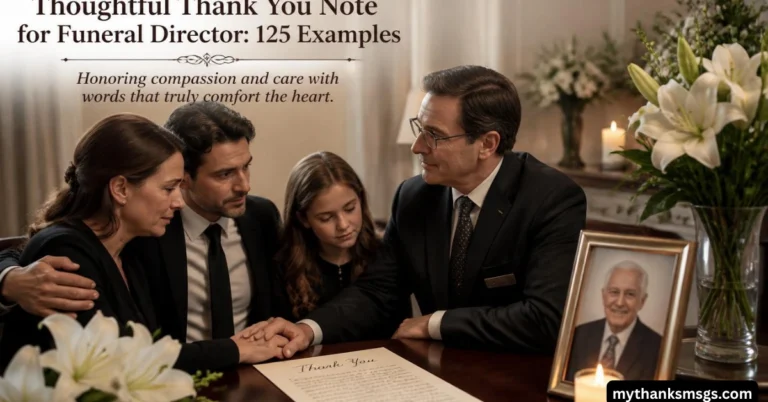
Losing someone you love is emotionally overwhelming, and even simple decisions can suddenly feel difficult. One question many families quietly ask during this time is: do you send thank you cards after a funeral?
The short answer is yes, many people do send funeral thank you cards, but there are no strict rules. Gratitude after a loss is deeply personal. Some families choose handwritten notes for everyone who supported them, while others only send cards to people who gave special help, donations, flowers, meals, or emotional support. What matters most is sincerity, not perfection.
This guide will help you understand funeral thank you etiquette in a simple and comforting way. You’ll learn who should receive thank you cards, when to send them, what to write, and how to make the process easier during a difficult time.
Why Funeral Thank You Cards Matter
After a funeral, many families reflect on the kindness they received. Friends may have traveled long distances, neighbors may have brought meals, coworkers may have donated money, and relatives may have helped organize services. A thank you card becomes a small but meaningful way to acknowledge that support.
Funeral thank you cards are not about formal etiquette alone. They are about human connection. During grief, even a short note can express appreciation that words spoken during the funeral may not fully capture.
For many people, sending thank you cards also provides emotional closure. It gives families a chance to pause, remember acts of kindness, and personally recognize the people who stood beside them.
Do You Send Thank You Cards After a Funeral to Everyone?
This is one of the most common concerns people have.
The truth is that you do not need to send thank you cards to absolutely everyone who attended the funeral. Most etiquette experts agree that cards are especially appropriate for people who:
- Sent flowers
- Made donations
- Provided meals
- Helped with funeral arrangements
- Supported the family emotionally
- Traveled a long distance
- Participated in the service
- Offered practical assistance
For example, if someone delivered meals for several days or helped organize transportation for family members, a personal thank you card is thoughtful and appreciated.
However, it is generally not necessary to send cards to every person who simply attended the service unless you personally want to.
Who Should Definitely Receive a Thank You Card?
Certain people should almost always receive a funeral thank you note because their support involved extra effort, expense, or care.
These may include:
Pallbearers
Pallbearers play an important role during the funeral service. A handwritten thank you shows respect for their time and participation.
Clergy or Spiritual Leaders
Priests, pastors, imams, rabbis, celebrants, or spiritual advisors often provide emotional guidance during one of life’s hardest moments.
People Who Sent Flowers or Donations
Whether someone sent a floral arrangement, donated to a charity in memory of the deceased, or contributed financially, acknowledging their kindness is considered thoughtful.
Friends Who Helped Practically
People who helped clean the home, care for children, organize food, or assist with paperwork often deserve special appreciation.
Coworkers and Employers
If coworkers arranged meals, sent sympathy gifts, or supported the family during bereavement leave, a thank you card can strengthen meaningful relationships.
Is It Rude Not to Send Funeral Thank You Cards?
Many grieving families worry about accidentally offending people.
In reality, most people understand that grief is exhausting. They know families are emotionally drained and handling many responsibilities at once. While thank you cards are appreciated, most people will not judge you if you are unable to send them immediately or at all.
What matters most is genuine appreciation, not social perfection.
If writing dozens of cards feels overwhelming, there are gentle alternatives:
- Send cards only to close supporters
- Ask family members for help
- Write shorter messages
- Send cards gradually over time
- Make phone calls instead
Grief does not follow a schedule, and kindness toward yourself is important too.
When Should You Send Thank You Cards After a Funeral?
Many people wonder about the proper timeline.
Traditionally, funeral thank you cards are sent within two to four weeks after the funeral. However, there is no strict deadline. People understand that grieving families may need more time.
Some families send cards several months later, especially if emotions or responsibilities delayed the process.
The most important thing is sincerity. Even a late thank you note is meaningful because it shows the person was remembered and appreciated.
What If You Forgot Someone?
It is completely normal to miss someone accidentally.
If you realize later that you forgot to send a card, do not panic. A delayed note is still warmly received. You can simply write something like:
“I recently realized I never properly thanked you for your kindness during such a difficult time. Your support meant so much to our family.”
Honesty and warmth matter far more than timing.
What to Write in Funeral Thank You Cards
One reason people delay writing cards is uncertainty about what to say.
The good news is that funeral thank you notes do not need to be long or complicated. Simple and heartfelt words are often the most meaningful.
A basic structure works well:
- Acknowledge the person’s support
- Mention the specific gesture if possible
- Express gratitude sincerely
- End warmly
Simple Funeral Thank You Message Examples
For Flowers
“Thank you for the beautiful flowers you sent in memory of my father. Your kindness and support during this difficult time meant so much to our family.”
For Donations
“We deeply appreciate your generous donation made in honor of Sarah. Your thoughtfulness brought comfort during a very painful time.”
For Emotional Support
“Thank you for being there for us after the loss of Michael. Your comforting words and support truly helped our family.”
For Meals or Practical Help
“Thank you for the meals and support you provided after the funeral. Your kindness made an overwhelming time feel much easier.”
Keep the Message Personal
If possible, include a small personal detail. Mentioning a specific memory or act of kindness makes the note feel more genuine.
For example:
“I will never forget how you stayed late to help our family after the service.”
Small details create emotional warmth.
Handwritten vs Printed Funeral Thank You Cards
Another common question is whether handwritten cards are necessary.
Handwritten notes are often considered more personal and meaningful. However, printed cards with a handwritten signature are also acceptable, especially when families are exhausted or handling many responsibilities.
There is no single correct approach.
Handwritten Cards
Benefits include:
- More personal
- Emotionally meaningful
- Feels thoughtful and sincere
Challenges include:
- Time-consuming
- Emotionally draining during grief
Printed Cards
Benefits include:
- Faster and easier
- Helpful for large gatherings
- Less overwhelming emotionally
Challenges include:
- Can feel less personal
A balanced approach works well for many families. For example, you might use printed cards with a handwritten sentence added inside.
Should Children Send Thank You Cards?
If children received special gifts, support, or attention after the funeral, encouraging them to participate in thank you notes can be meaningful.
The message does not need to be perfect. Even a short sentence from a child can be deeply touching.
For younger children, parents can help write the message while the child signs their name or draws a small picture.
This process can also help children express emotions and gratitude in healthy ways.
Cultural and Religious Differences Around Funeral Thank You Cards
Funeral traditions vary greatly across cultures, religions, and families.
In some communities, sending thank you cards is considered very important. In others, verbal gratitude or community gatherings are more common.
Christian Funeral Traditions
Many Christian families send thank you cards to acknowledge flowers, prayers, donations, and acts of support.
Jewish Traditions
In Jewish mourning traditions, grieving families often focus on sitting shiva and receiving support from the community. Thank you notes may be simpler or delayed.
Muslim Traditions
In many Muslim communities, collective support and prayer are central after a death. Personal thanks may be expressed verbally instead of formally through cards.
Asian Family Traditions
Some Asian cultures emphasize family visits, meals, and shared mourning practices rather than written thank you notes.
The important thing is respecting your family’s values and traditions rather than following rigid expectations.
How Many Funeral Thank You Cards Should You Send?
There is no required number.
Some families send five cards. Others send fifty. The number depends on:
- The size of the funeral
- Community involvement
- Personal preference
- Emotional energy
- Cultural traditions
Do not compare yourself to others. Your gratitude does not need to be measured by quantity.
Ways to Make Funeral Thank You Cards Easier
Grief can make even simple tasks feel exhausting. Fortunately, there are practical ways to make the process manageable.
Keep a List During the Funeral Period
As flowers, donations, and gifts arrive, write down names and addresses immediately. This prevents stress later.
A notebook or spreadsheet can help organize:
- Names
- Addresses
- Gifts or support received
- Cards already sent
Ask Family Members to Help
You do not need to handle everything alone.
Siblings, spouses, adult children, or close friends can help address envelopes, organize lists, or even write some notes.
Use Simple Wording
Do not pressure yourself to create perfect messages. Short and sincere is enough.
Send Cards in Small Batches
Writing five cards per day feels far less overwhelming than trying to complete everything at once.
Buy Prepared Sympathy Thank You Cards
Pre-printed cards with gentle messages inside can reduce emotional strain while still feeling respectful.
Common Funeral Thank You Card Mistakes to Avoid
Families often worry about making etiquette mistakes. Fortunately, most errors are minor and understandable.
Still, a few thoughtful guidelines can help.
Waiting for the “Perfect” Words
Perfection is not necessary. Many people delay cards for months because they struggle emotionally.
Simple honesty is more meaningful than polished wording.
Making the Message Too Formal
Funeral thank you notes should feel warm and human, not like business letters.
Natural language is always better than stiff or overly formal wording.
Forgetting Close Supporters
Sometimes families focus on large donations or flowers while forgetting the friend who quietly helped every day.
Emotional support matters too.
Feeling Guilty About Delays
Late thank you cards are still appreciated. Most people understand grief completely.
Digital Thank You Messages vs Physical Cards
Modern families sometimes wonder whether text messages, emails, or social media messages are acceptable.
The answer depends on the situation.
When Digital Messages Are Appropriate
Digital messages may work well when:
- Thanking younger friends
- Acknowledging quick acts of support
- Managing emotional exhaustion
- Communicating with distant contacts
When Physical Cards Feel More Meaningful
Physical cards are usually preferred for:
- Donations
- Flowers
- Formal support
- Older relatives
- Clergy
- Close family friends
A handwritten card often feels more lasting and personal during emotional moments.
Funeral Thank You Card Ideas for Different Situations
Different kinds of support may deserve slightly different messages.
For a Group Gift
“Thank you all for your generous support and kindness after our mother’s passing. Your thoughtfulness brought comfort during a difficult time.”
For Someone Who Traveled Far
“We truly appreciate you traveling such a long distance to attend the funeral. Your presence meant more than words can express.”
For Medical Caregivers
“Thank you for the compassionate care you showed James during his final days. Our family will always remember your kindness.”
For Neighbors
“Thank you for checking on our family and helping with meals after the funeral. Your support brought us comfort every day.”
Emotional Benefits of Expressing Gratitude During Grief
Many people assume funeral thank you cards are only about etiquette. In reality, they can also support emotional healing.
Grief often creates feelings of loneliness and emotional numbness. Writing gratitude notes gently reminds people that they are supported and cared for.
This process can:
- Strengthen relationships
- Encourage emotional reflection
- Provide moments of comfort
- Help families process memories
- Create a sense of connection
Even though writing cards may feel difficult initially, many people later describe the experience as meaningful and comforting.
Should You Include the Whole Family Name?
This depends on the relationship.
For close friends or relatives, signing with first names often feels warm and personal.
For formal relationships, including the family surname may feel more appropriate.
Examples:
- “With love, Emily and David”
- “The Carter Family”
- “Sincerely, Maria Thompson”
Choose whatever feels natural for your family.
What If You Cannot Afford Funeral Thank You Cards?
Funerals are expensive, and many families face financial stress afterward.
If printed cards feel too costly, simple alternatives are completely acceptable:
- Plain stationery
- Homemade cards
- Affordable bulk cards
- Emails or messages
- Phone calls
People care far more about sincerity than appearance.
Real-Life Example of a Meaningful Funeral Thank You Note
Imagine a woman named Lisa who lost her mother unexpectedly. During the funeral week, her neighbor cooked meals daily, cared for her children, and helped answer phone calls.
Months later, Lisa sent a short handwritten note:
“Thank you for standing beside our family during the hardest week of our lives. Your kindness helped us more than you know.”
That note likely meant far more than a perfectly polished formal message ever could.
This is the true purpose of funeral thank you cards. They acknowledge human compassion during painful moments.
Reader Benefits: Why Understanding Funeral Thank You Etiquette Helps
Knowing the answer to “Do You Send Thank You Cards After a Funeral?” can reduce emotional stress during an already difficult time.
Instead of worrying about etiquette rules, you can focus on meaningful connection and genuine gratitude.
Understanding these traditions also helps you:
- Feel more confident during grief
- Avoid unnecessary guilt
- Express appreciation thoughtfully
- Strengthen important relationships
- Navigate funeral customs respectfully
Most importantly, it reminds grieving families that kindness matters more than perfection.
You can also read: 75 Heartfelt Thank You Notes for Funeral Food
Conclusion
So, do you send thank you cards after a funeral? In many cases, yes, but the decision is deeply personal. Funeral thank you cards are not about following strict social rules. They are about recognizing kindness, support, and compassion during one of life’s hardest experiences.
Whether you send handwritten notes, printed cards, emails, or simple messages, sincere gratitude always matters. People rarely remember perfect wording, but they do remember feeling appreciated.
If you are grieving right now, give yourself grace. There is no perfect timeline and no perfect message. A few honest words from the heart are enough.
In difficult moments, small acts of gratitude can become lasting reminders of love, support, and human connection.
FAQs:
What is the proper etiquette for thank you cards after a funeral?
The proper etiquette for funeral thank you cards is to thank people who provided special support, such as flowers, donations, meals, or help with arrangements. Many families also send cards to pallbearers, clergy, and close friends. A simple and heartfelt message is always enough.
Is it rude to not send thank you cards after a funeral?
No, it is not considered rude if you are unable to send thank you cards after a funeral. Most people understand that grief can be emotionally overwhelming. However, sending even a few personal notes is a thoughtful way to acknowledge kindness and support.
Who should receive a thank you card after a funeral?
Funeral thank you cards are usually sent to people who gave flowers, donations, food, emotional support, or practical help. You may also thank anyone who participated in the service or traveled a long distance. You do not have to send cards to every person who attended the funeral unless you want to.
How soon should you send thank you cards after a funeral?
Most families send funeral thank you cards within two to four weeks after the service. However, there is no strict deadline, and people understand if it takes longer. A sincere thank you message is appreciated even if it is sent months later.
Do you have to send thank you cards for sympathy cards?
You do not always have to send thank you cards for every sympathy card you receive. Many people choose to send notes only for extra acts of kindness like flowers, donations, or personal support. If someone wrote a deeply meaningful message, a short thank you can still be very thoughtful.