
Losing a loved one is one of life’s most difficult experiences. During such a time, the support of friends, family, neighbors, and colleagues can bring comfort in ways that words often cannot express. After the funeral, many people feel a deep desire to acknowledge that kindness with a thoughtful sample thank you message after funeral.
Writing a thank you message after a funeral is a meaningful way to acknowledge that kindness. It does not have to be long or complicated. In fact, short and sincere messages are often the most powerful. What matters most is authenticity.
This guide will help you write heartfelt thank you notes with ease. You’ll find practical tips, real examples, and 20 short and sincere sample messages you can use or adapt right away.
Why Thank You Messages After a Funeral Matter
After a loss, people come together to offer comfort in different ways. Some attend the funeral, others send flowers, and many offer emotional or practical support. Taking the time to thank them serves several important purposes:
Acknowledging Support
Gratitude helps recognize the kindness shown during a painful time. It shows people their presence and efforts truly mattered.
Strengthening Relationships
Simple thank you messages help maintain and strengthen bonds. They remind others that their support was seen and appreciated.
A Step Toward Healing
Writing thank you notes can be part of the healing process. It allows you to reflect on the love surrounding you, even in grief.
When Should You Send Thank You Messages?
There is no strict timeline, and there is no need to rush. Grief does not follow a schedule.
However, a general guideline is:
- Within 2–4 weeks after the funeral if possible
- Later is completely acceptable if you need more time
People understand your situation. A delayed message is always better than none.
Who Should Receive a Thank You Message?
You don’t need to write to everyone individually, but it is thoughtful to acknowledge:
- People who attended the funeral
- Those who sent flowers, donations, or food
- Individuals who offered emotional support
- Friends or relatives who helped organize arrangements
- Anyone who made a meaningful gesture
You can send individual notes or a general message depending on your situation.
How to Write a Short and Sincere Thank You Message

Writing during grief can feel difficult. Keeping your message simple makes it easier.
1. Start with Gratitude
Begin with a clear expression of thanks.
Example:
“Thank you for your kindness and support…”
2. Mention the Specific Gesture
If possible, mention what they did.
Example:
“…for attending the funeral and being there for our family.”
3. Express Emotion
Share how their support made you feel.
Example:
“It meant a lot to us during this difficult time.”
4. Keep It Short
There’s no need to write long paragraphs. A few heartfelt lines are enough.
20 Short and Sincere Thank You Messages After a Funeral
Here are ready-to-use messages you can copy, personalize, or use as inspiration.
General Thank You Messages
- Thank you for your kindness and support during this difficult time. It truly meant a lot to us.
- We are deeply grateful for your presence and comforting words. Thank you for being there.
- Your support gave us strength when we needed it most. Thank you so much.
- Thank you for standing with us and sharing in our sorrow. Your presence was comforting.
- We appreciate your kindness more than words can express. Thank you for being there for us.
For Attending the Funeral
- Thank you for attending the funeral and honoring our loved one. Your presence meant so much.
- We are grateful you could join us to say goodbye. Your support was deeply appreciated.
- Your حضور at the funeral brought us comfort. Thank you for being there.
- Thank you for taking the time to attend and support our family. It meant a great deal.
- Having you with us during the service was a true comfort. Thank you sincerely.
For Flowers or Donations

- Thank you for the beautiful flowers. They brought comfort and peace during a difficult time.
- We truly appreciate your thoughtful donation in memory of our loved one. Thank you.
- Your generous gesture meant so much to our family. Thank you for your kindness.
- Thank you for your thoughtful gift and for remembering us in such a meaningful way.
- We are grateful for your kindness and generosity. Thank you for your support.
For Emotional Support
- Your kind words and support brought us comfort during our loss. Thank you from the heart.
- Thank you for being there to listen and support us. It made a difference.
- Your compassion and care helped us through this difficult time. We are truly grateful.
- Thank you for your prayers and comforting words. They gave us strength and peace.
- We deeply appreciate your support and kindness. It helped us more than you know.
Tips to Make Your Message Feel Personal
Even a short message can feel deeply personal with a small touch.
Use the Person’s Name
Instead of a generic message, address them directly:
“Dear Ahmed,” or “Dear Sarah,”
Add a Memory or Detail
If appropriate, mention something specific:
“Your kind words about him meant a lot…”
Keep Your Natural Voice
Write as you speak. Don’t worry about sounding perfect.
Should You Send Handwritten Notes or Digital Messages?
Both are acceptable. Choose what feels right for you.
Handwritten Notes
- More personal and traditional
- Ideal for close friends and family
Digital Messages (WhatsApp, Email)
- Faster and easier
- Perfect when you have many people to thank
The sincerity of your words matters more than the format.
Common Mistakes to Avoid
Writing thank you messages after a funeral can feel unfamiliar. Here are some things to avoid:
Overthinking the Message
You don’t need perfect wording. Simple and honest is best.
Waiting Too Long for Perfection
Don’t delay because you want to write the “perfect” note. A short message is enough.
Writing Very Long Messages
Long messages can feel overwhelming to write and read. Keep it brief.
Forgetting Key People
Try to acknowledge those who made a meaningful effort, especially close supporters.
How to Handle Group Thank You Messages

If many people offered support, you can send a general message.
Example:
“Thank you all for your kindness, prayers, and support during our time of loss. We are truly grateful to have such caring people in our lives.”
This works well for:
- Social media posts
- Family group messages
- Community acknowledgments
Cultural Sensitivity in Thank You Messages
In many cultures, including South Asian and Islamic traditions, expressing gratitude after a funeral often includes:
- Acknowledging prayers (duas)
- Appreciating presence during Janazah
- Thanking for support and visits
You can gently reflect that in your message:
Example:
“Thank you for your prayers and support during this difficult time. It brought us comfort and strength.”
Keeping cultural values in mind makes your message more meaningful.
Thank You Messages for Different Situations
Different people offer different kinds of support. Tailoring your message can make it more impactful.
For Friends and Family
These messages can be more personal and emotional.
- Thank you for your love and support during this time. It means everything to us.
- Your presence brought us comfort and peace. We are grateful.
For Colleagues and Professional Contacts
Keep the tone respectful and slightly formal.
- Thank you for your kind words and support. They are deeply appreciated.
- I am grateful for your understanding and sympathy during this time.
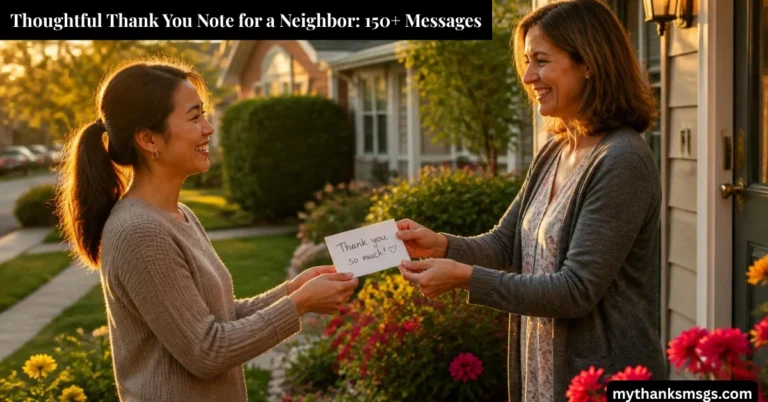
For Neighbors and Community Members
- Thank you for your kindness and support. It has meant so much to our family.
- We appreciate your thoughtful gestures and care during this time.
Common Phrases You Can Use
If you are unsure what to say, these phrases can help:
- Thank you for your support
- We are deeply grateful
- Your kindness meant a lot
- We appreciate your sympathy
- Thank you for being there
These can easily be combined to create a complete sample thank you message after funeral.
Making the Process Easier During Grief

Writing thank you messages while grieving can feel heavy. Here are some simple ways to make it easier:
Write a Few at a Time
You don’t need to finish everything in one day.
Ask for Help
A family member can help write or send messages.
Use Templates
Start with sample messages like the ones above and adjust them slightly.
Be Kind to Yourself
It’s okay if your message is simple. Your effort is what matters.
Sample Thank You Note Format
If you prefer a quick structure, use this simple format:
- Greeting
- Thank you statement
- Mention of support
- Closing line
Example:
“Dear [Name],
Thank you for your kindness and support during this difficult time. Your presence and comforting words meant so much to our family.
With gratitude,
[Your Name]”
Why Short Messages Work Best
During emotional times, simplicity carries more meaning. Short thank you messages:
- Are easier to write during grief
- Feel more genuine and natural
- Respect the reader’s time
- Avoid unnecessary complexity
A few sincere words often leave a deeper impact than long paragraphs.
Final Thoughts:
Saying thank you after a funeral is not about perfect words—it is about heartfelt appreciation. The people who supported you did so out of care, and your acknowledgment, no matter how simple, will mean a lot to them.
Short and sincere messages are powerful because they come from the heart. Whether you choose a handwritten note, a message, or a general acknowledgment, what matters most is your intention.
Use the sample messages in this guide as a starting point. Personalize them if you can, but don’t stress over it. In times of loss, even a few kind words can carry deep meaning.
Take your time, be gentle with yourself, and remember that gratitude, even in grief, is a beautiful way to honor both your loved one and those who stood beside you.